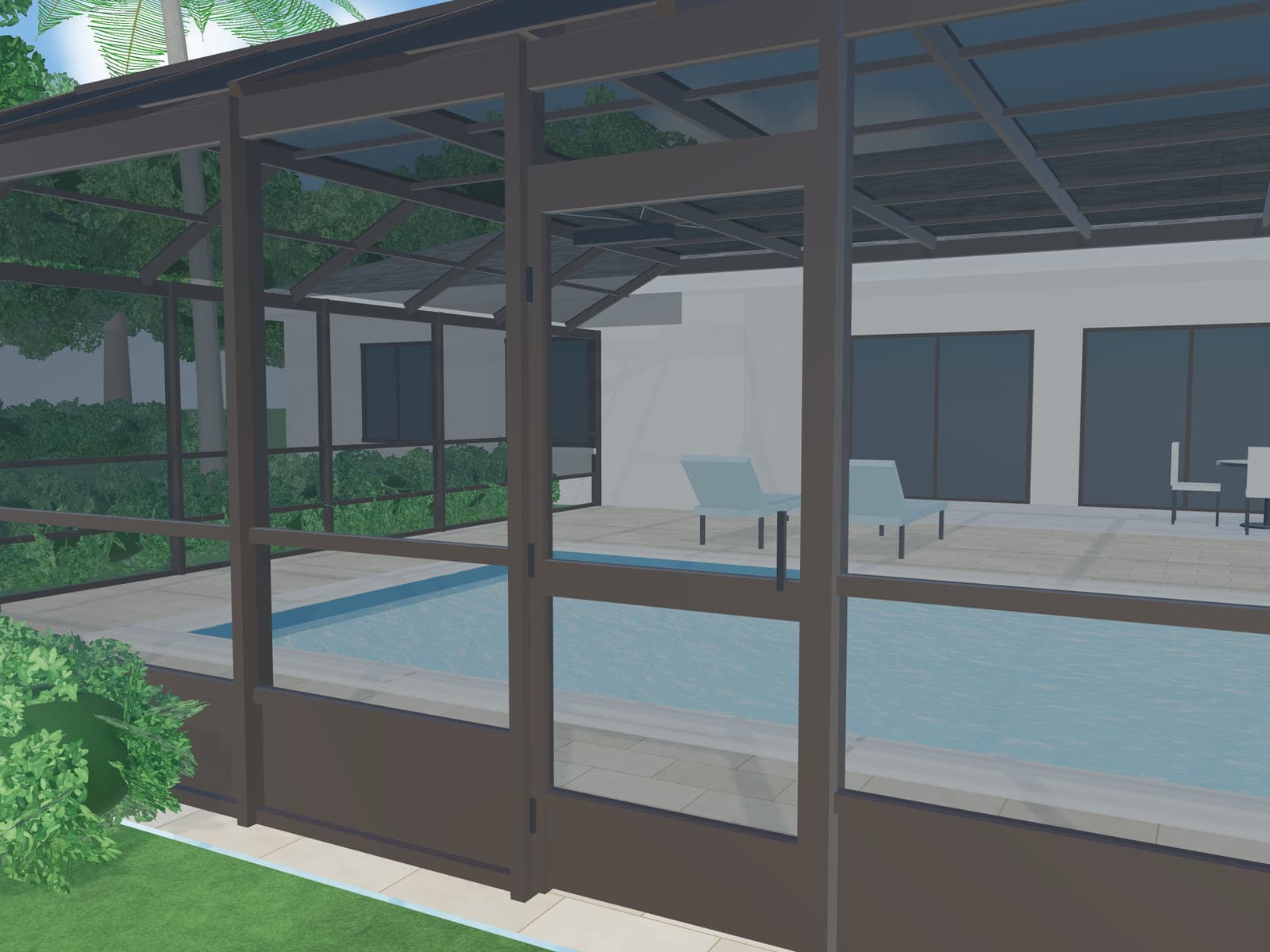
Signs it’s time for a full rescreen
- Screen that tears or crumbles when pressed lightly
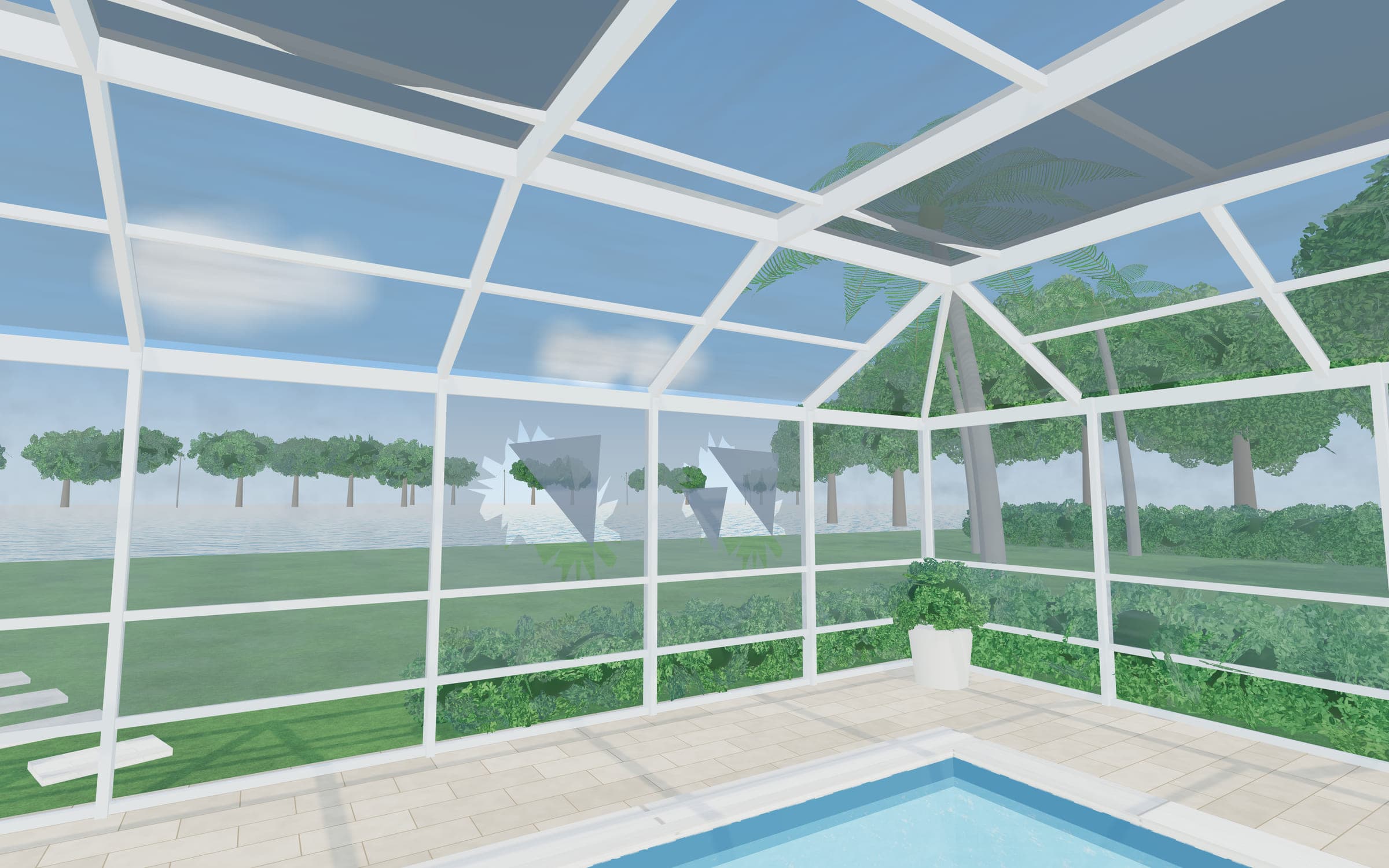
- Roof panels that sag or bag between the roof members
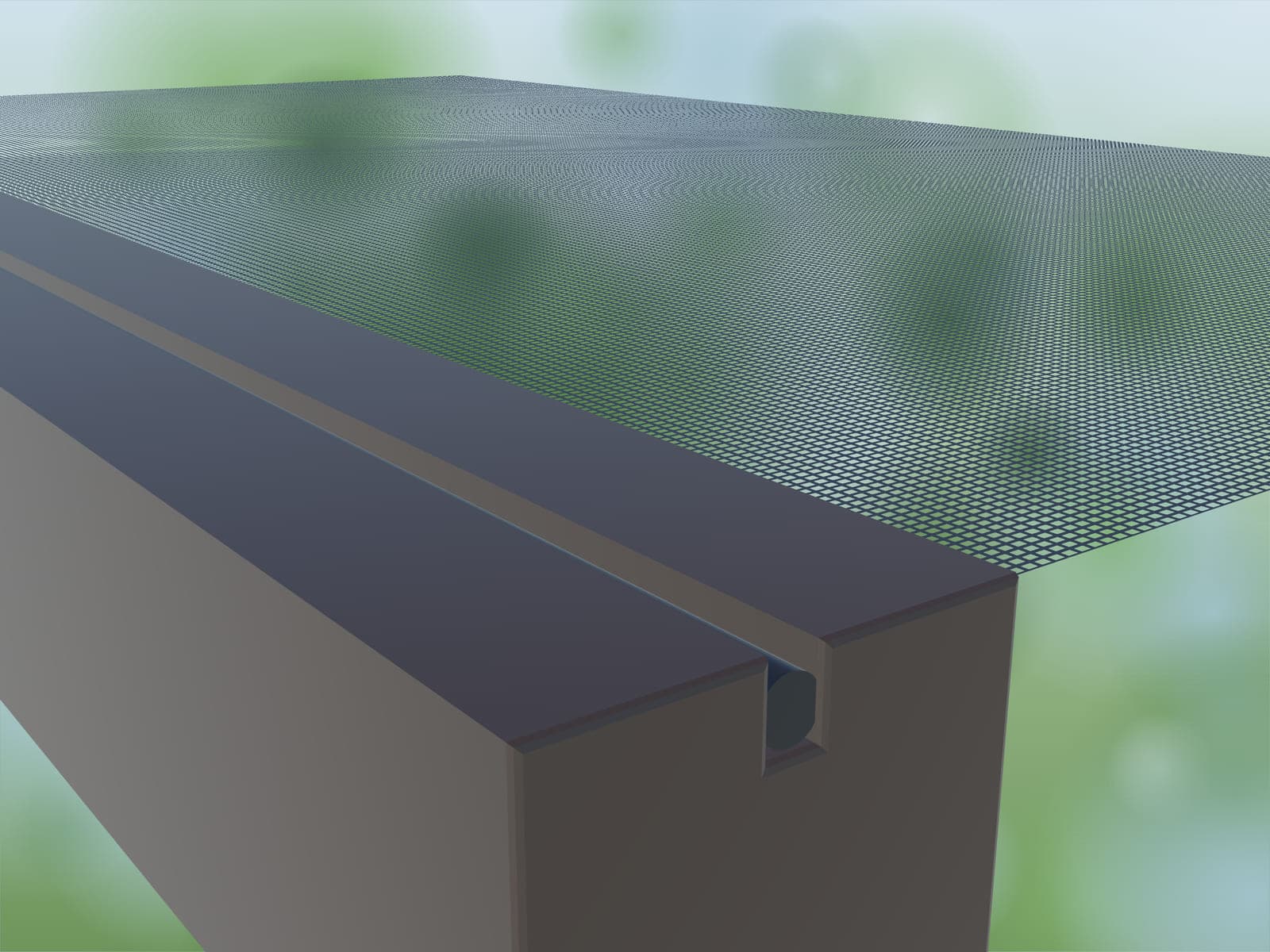
- Spline pulling out of the channels, or visibly cracked and shrunken
- Tears in many panels, not just one or two
- Heavy or uneven fading, especially on the sunny side
- You want a different screen type, such as tear-resistant lower panels
Sun exposure, screen type and upkeep all affect how long screen lasts, so there is no single age at which an enclosure needs rescreening. Condition is the better guide.
Full rescreen or panel repairs?
If damage is limited to a few panels, individual panel repair is usually the sensible choice. A full rescreen makes more sense when failures are spread across the enclosure, when roof panels are sagging, or when new panels would stand out against weathered ones. Some homeowners split the difference and do the walls or the roof first.
What we check before rescreening
New screen on a failing frame is money poorly spent, so a rescreen starts with a look at the structure:
- The house attachment and beam connections
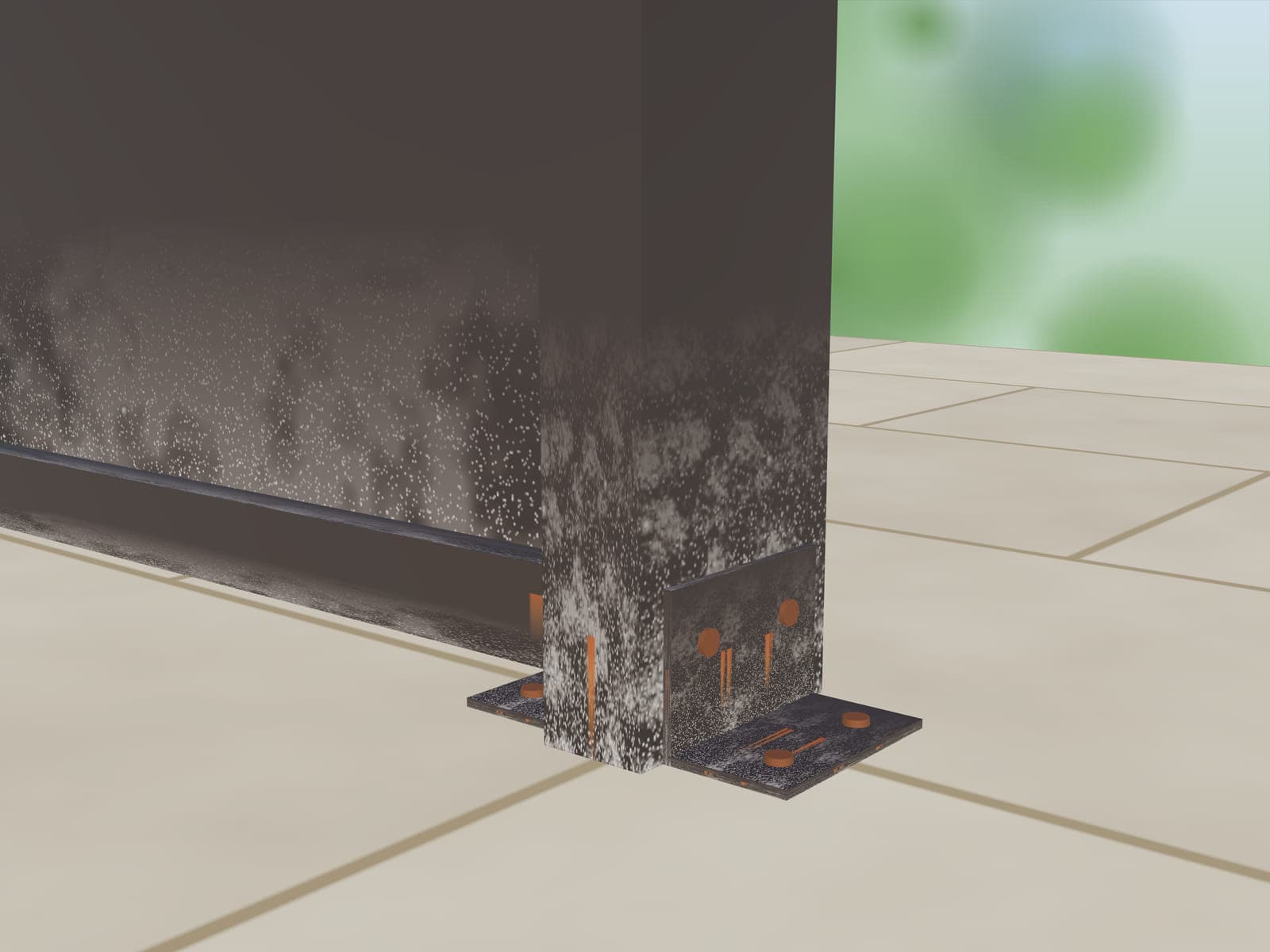
- Uprights, especially at the base where they meet the deck
- Cables and bracing
- Fasteners: rust-stained, loose or missing screws
- Door frames, closers and latches
- Spline channels that are bent or damaged
If something structural turns up, we show you what we found and keep it separate from the rescreen scope. It may call for a structural assessment before new screen goes on. The rescreen, repair or replace guide explains that order of checks.
What the work involves
Protect the pool and deck
Work is organized to keep old screen, spline and debris out of the water and off the furniture.
Remove old screen and spline
Panel by panel, with channels cleared as each comes out.
Inspect the channels
Damaged or bent spline channels are noted before new screen goes in.
Install new screen
Each panel gets new screen and new spline, pressed in and tensioned evenly.
Doors and fasteners
Door adjustments and fastener replacements included in the written scope are completed.
Cleanup and walkthrough
Old material is hauled away and we review the finished enclosure with you.
 Illustrative render
Choosing screen for a rescreen
A rescreen is the natural moment to change screen types. Common combinations include standard or finer mesh on the roof and upper walls, tear-resistant screen below the chair rail, and privacy screen on one wall.
Permits and HOA
Many jurisdictions treat like-for-like rescreening as maintenance, while changes to framing, geometry or attachment typically require a permit. Permit rules differ between city and county building departments and depend on the exact scope, so we confirm what applies to your address before work begins. If your HOA regulates screen color, check before choosing something new.