Key takeaways
- Safety first: stay out from under anything bent, sagging or pulling away from the house.
- Structure before screen: connections, uprights, bracing and footings decide whether rescreening is worth doing.
- Doors and fasteners are common, contained repairs, unless corrosion is widespread.
- Screen condition decides between panel repair and a full rescreen.
Step 1: Safety
Step 2: Structure
The structure is everything that holds the enclosure up and together: the attachment to the house, roof beams and purlins, uprights, cables and bracing, the connections between them, and the footing or deck they sit on. Screen adds no strength. If the structure has a real problem, fix that first.
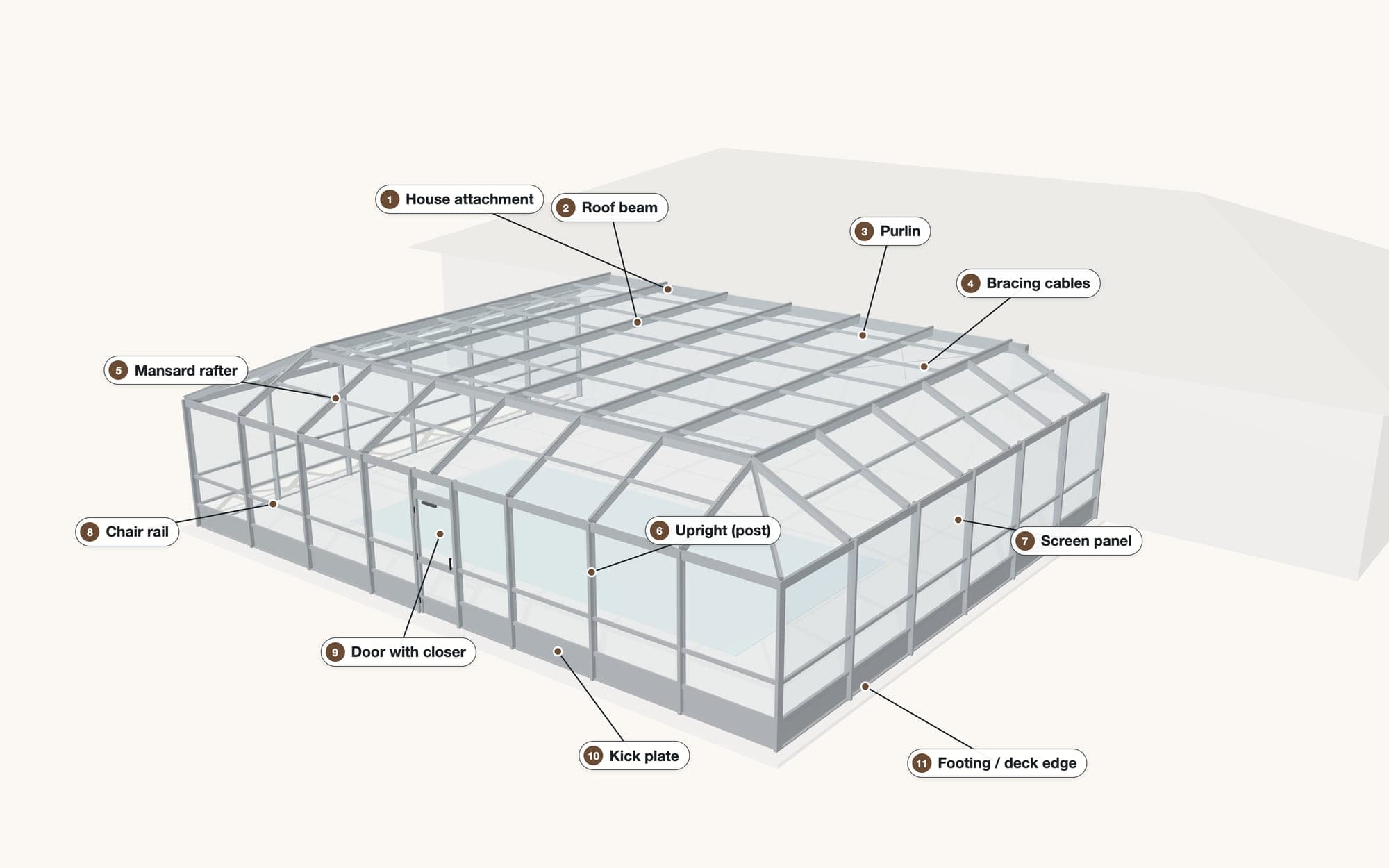 Diagram
Step 3: Doors and fasteners
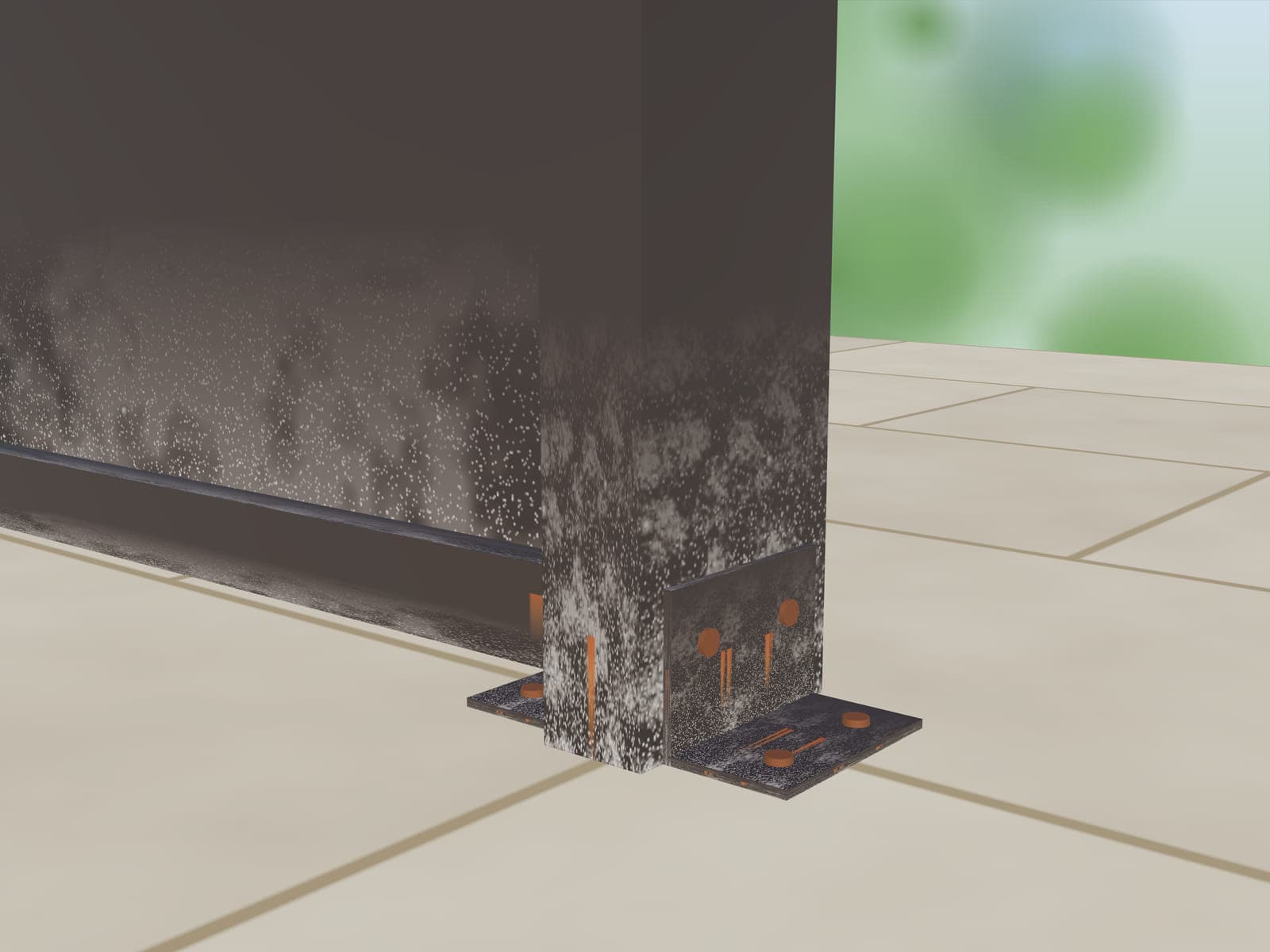
Doors wear faster than anything else, and door problems—dragging, slamming, not latching—are usually contained repairs. Rust streaks around screws show fasteners corroding. A handful of rusty screws is routine maintenance; rust or white, powdery corrosion concentrated at post bases, beam connections or the house attachment is a structural question.
Step 4: Screen
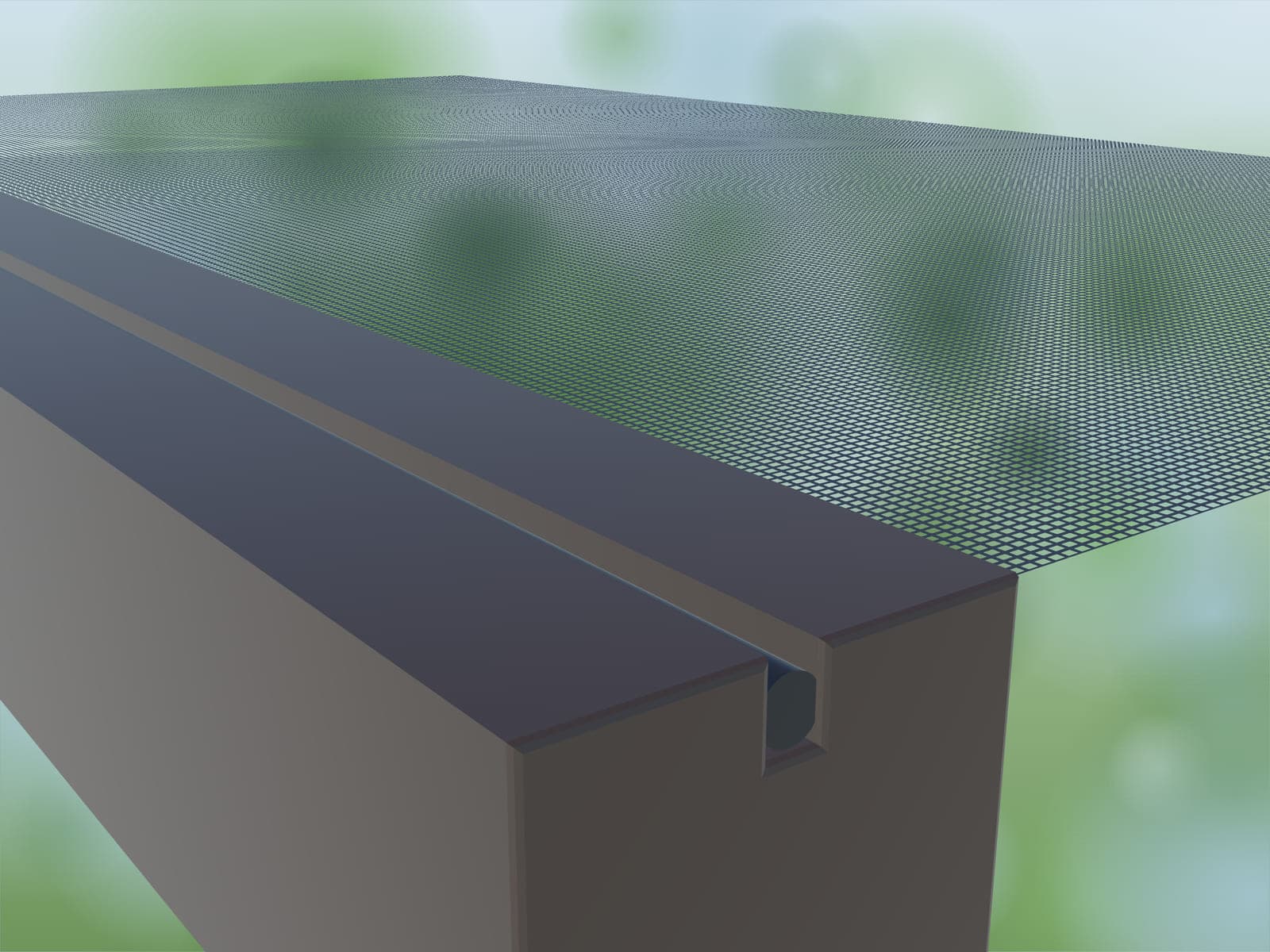
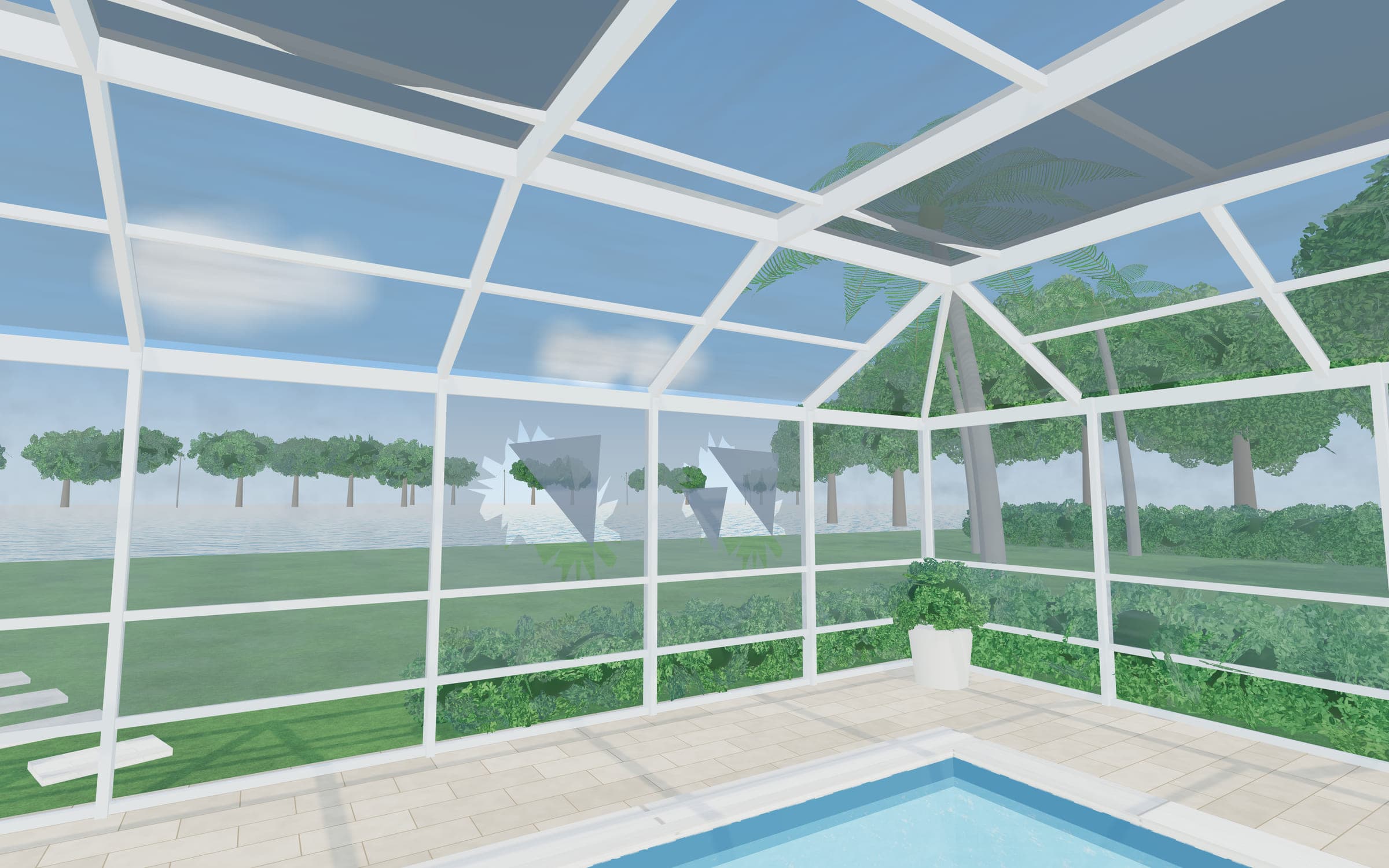
Screen damage comes in a few forms. A torn panel is impact damage. Screen that crumbles when pressed is at the end of its life. Screen pulling out of its channel usually means the spline has failed, not the screen. Roof panels that sag between members can be either. Scattered damage points to panel repair; widespread wear points to a complete rescreen.
Reading the signs
Assess in this order
- Step 1
Safety
Anything bent, sagging, leaning or pulling away from the house? Keep clear and get an assessment.
- Step 2
Structure
House attachment, beams, uprights, bracing and footings. Fix structural problems before anything else.
- Step 3
Doors & fasteners
Closers, hinges, latches and rusty screws. Usually contained repairs.
- Step 4
Screen
A few torn panels: repair them. Brittle screen everywhere: rescreen.
| What you see | What it can mean | Usual next step |
|---|---|---|
| A few torn panels; frame looks straight | Impact or wear damage | Panel repair |
| Brittle screen tearing across many panels | Screen at the end of its life | Full rescreen, after a frame check |
| Screen pulling out of the channels | Spline failure | Re-spline or rescreen the affected panels |
| Door drags, slams or won’t latch | Hinge, closer or latch wear; a sagging door | Door and hardware repair |
| Rust streaks at a few screws | Fastener corrosion | Fastener replacement |
| White powdery pitting or bubbling at post bases | Aluminum corrosion at a critical point | Structural assessment |
| Sagging roof, bowed beam or leaning wall | A structural problem | Keep clear; structural assessment |
| A gap where the enclosure meets the house | Connection failure or a fascia problem | Structural assessment; possibly repairs by another trade |
| Cracked or lifted footing | Foundation movement or damage | Structural assessment |
What a professional assessment covers
A good assessment looks at the whole enclosure, not just the panels you pointed at: the house attachment, beams, uprights, bracing, footings, doors and fasteners. You should come away with a written summary that separates cosmetic, repairable and structural findings, and a clear sense of which ones need engineering or a permit.
Structural repairs and replacements are generally permitted work, while like-for-like rescreening is often treated as maintenance. Permit rules differ between city and county building departments and depend on the exact scope, so we confirm what applies to your address before work begins. See replacement and structural restoration for how that work is handled.
Photos to take before you call
- The whole enclosure from each corner of the yard
- Each wall from a few steps back
- Close-ups of damaged panels and the screen door
- The base of several posts where they meet the deck
- Where the enclosure meets the house, taken from the ground
- The roof panels from underneath, from inside the enclosure
All from the ground, please. Nothing here requires a ladder.
Measurements and condition come first. A short request is enough to start.
Request Rescreening or Repair